
The arch of the foot is the body’s natural “shock absorber” during walking. A healthy arch distributes body pressure, but a high arch or a collapsed arch (flat feet) can lead to foot fatigue, knee pain, and even lower back pain.
One-Minute Self-Test
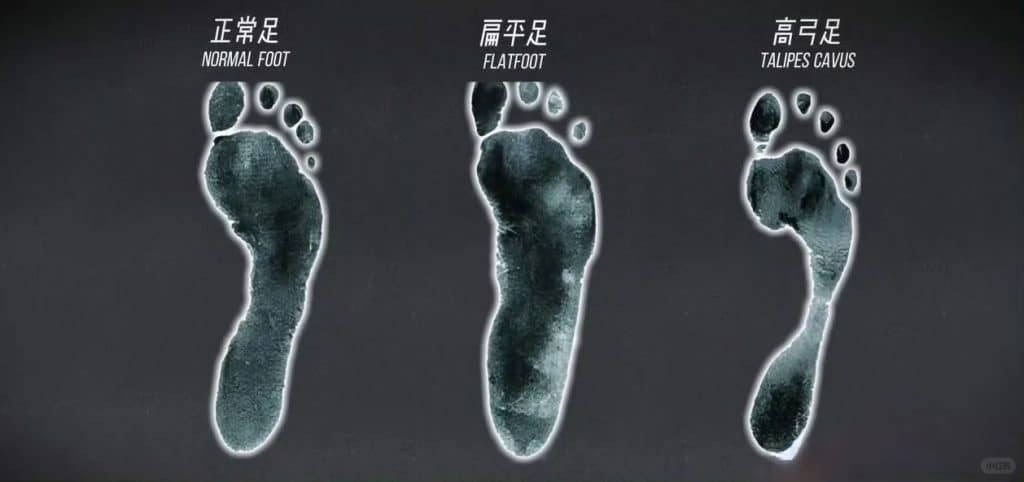
1. Wet Foot Test: Wet your feet and step onto a dark cardboard or dry surface, then observe the footprint.
Normal Arch: The width of the connection between the heel and forefoot is approximately half the width of the forefoot.
Flat Feet: Almost the entire sole of the foot leaves a print.
High Arch: The connection is very narrow or broken.
2. Old Shoe Observation: Check the wear pattern on the soles of your everyday shoes.
Normal: Even wear on the outer heel and forefoot.
Flat Feet: Significant wear on the inner side of the shoe.
High Arch: Noticeable wear on the outer side of the shoe.
How to Choose Insoles?
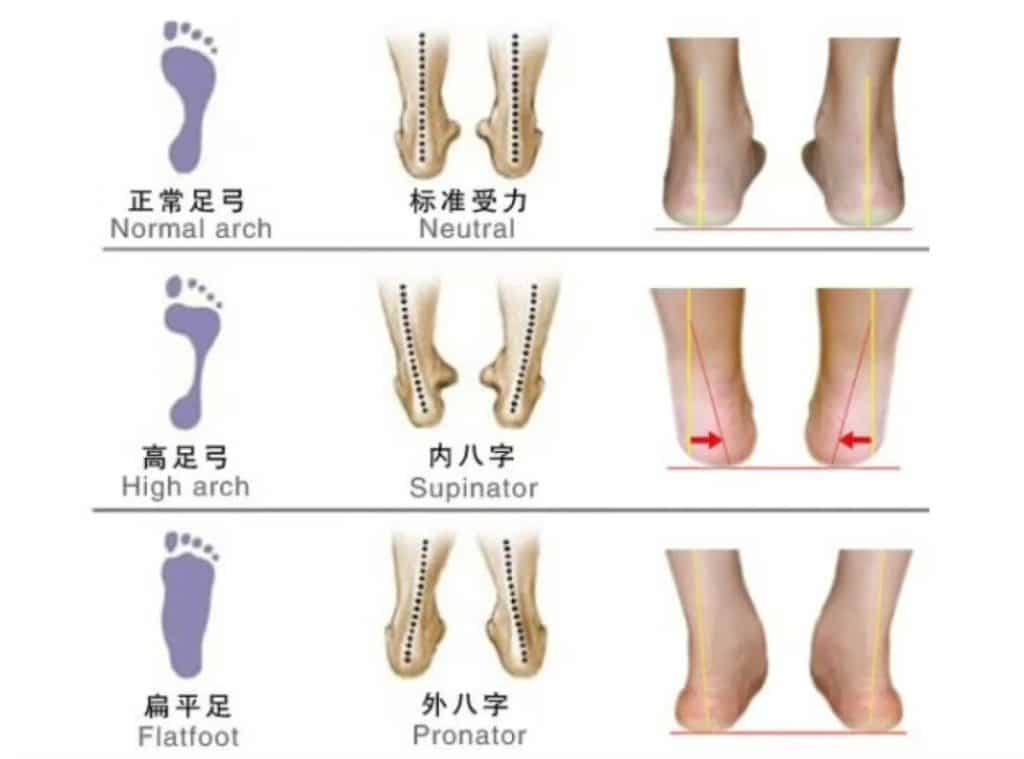
Choose insoles based on your arch type:
Normal Arch: Choose cushioning insoles to enhance comfort.
Flat Feet: Choose insoles with arch support and a deep heel cup to control excessive pronation.
High Arch: Choose insoles with thickened, soft material in the forefoot and heel to distribute pressure on the feet.
TIPS:
*When using supportive/corrective insoles for the first time, it is recommended to gradually increase wearing time each day to allow your feet to adapt.*If you experience severe pain or noticeable gait problems, please consult a rehabilitation specialist or a foot and ankle specialist.
Choosing the right insoles is not only an upgrade in comfort but also an investment in your health. Take a minute to understand your arch type and make every step easier.