
Insoles, common items placed inside shoes, boast a history spanning thousands of years. Their characteristics have evolved from practicality to art, ultimately developing towards technological sophistication and personalized customization.
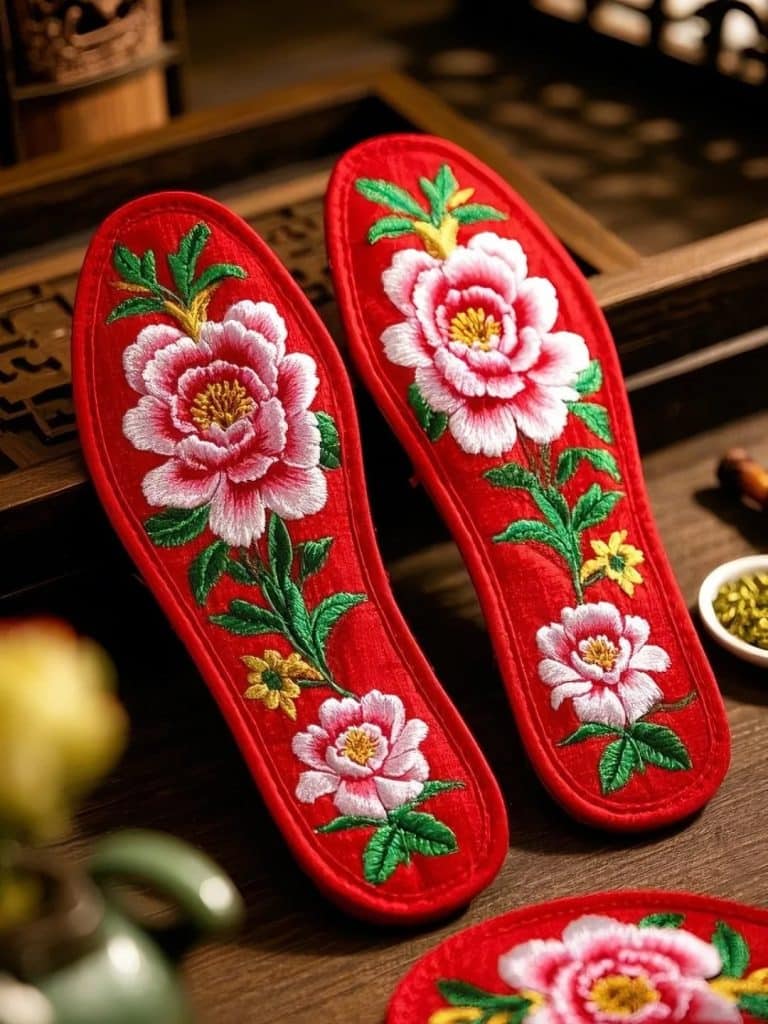
In ancient times, insoles were far more than just tools for adjusting shoe size. With the development of history, embroidery on insoles gradually flourished. The meticulously designed patterns on insoles conveyed profound cultural meanings and emotional expressions. For example, peonies symbolized wealth and prosperity, while characters like “福” (fortune) and “寿” (longevity) directly conveyed blessings. These patterns are considered “visual art beyond the visual.” Embroidered insoles were often used in important occasions such as weddings, serving as a medium for conveying emotions and showcasing needlework.
With industrialization, the materials and functions of insoles underwent fundamental changes. Traditional cloth, hemp, and leather were gradually replaced or supplemented by newer materials. In modern times, insole materials have evolved from leather to EVA, and then to advanced materials such as carbon fiber. This change expanded the function of insoles from basic sweat and cold protection to specialized areas such as shock absorption, support, and correction.
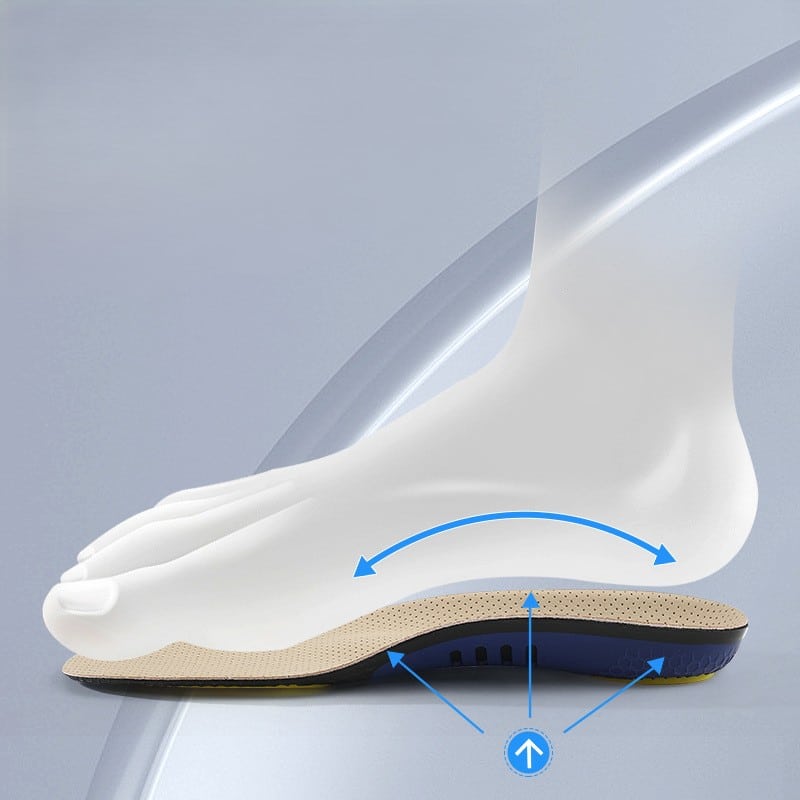
In contemporary times, insoles have evolved into a sector emphasizing functional specialization and personalized needs. Modern custom insoles are mainly categorized into modular, thermoplastic, and sculpted types to meet diverse needs such as medical orthotics, sports, and everyday comfort. Meanwhile, traditional insole embroidery techniques are preserved and cherished as a cultural heritage, coexisting with modern technological products.
From handicrafts imbued with emotion to health products utilizing high-tech materials, the evolution of insoles is also a microcosm of human life and technological change.