
The key to comfortable shoes often lies in the unseen insoles. From cushioning and shock absorption to stability and support, tiny insoles often conceal sophisticated “foot engineering systems.”
Cushioning Champions: Innovations in EVA and PU
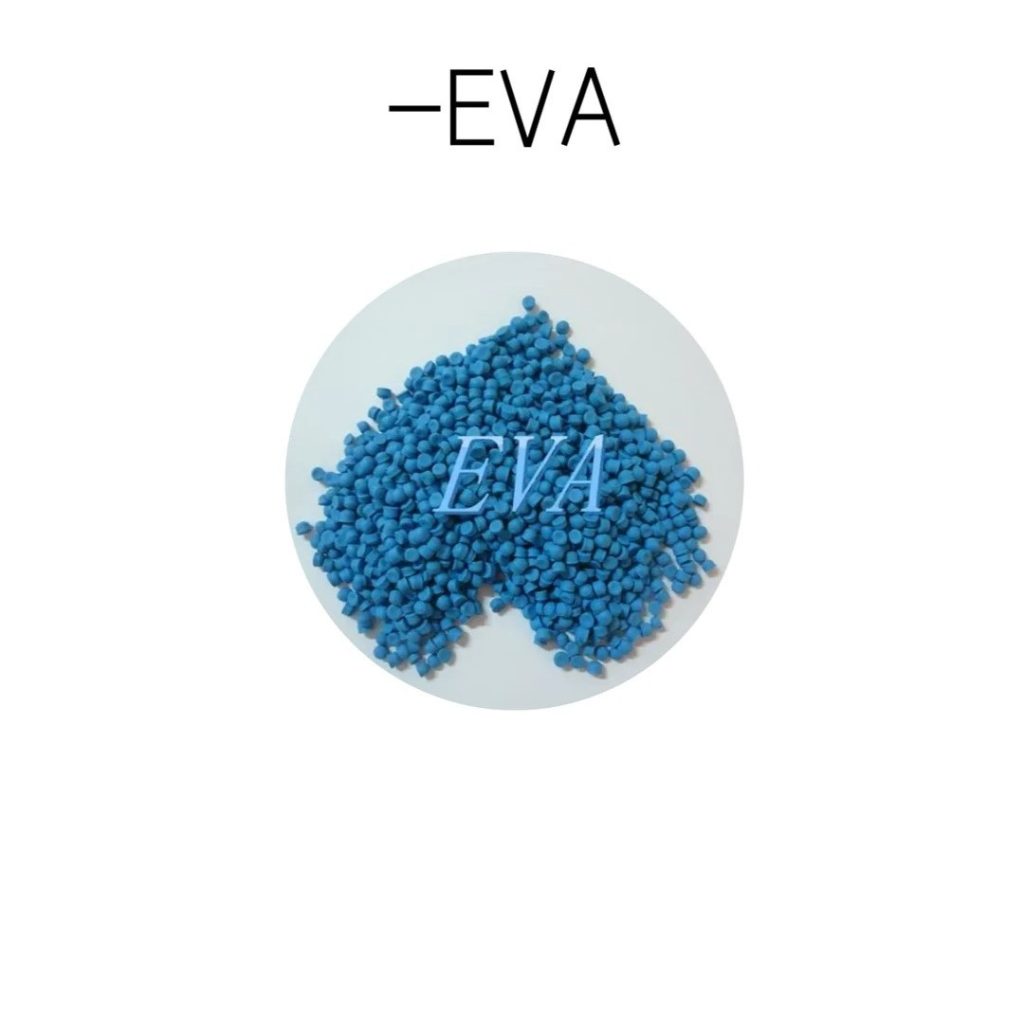
Traditional EVA material is soft and lightweight, but lacks durability. The new generation of ETPU, through supercritical foaming technology, forms countless micro-airbag structures. This material, aptly nicknamed “popcorn technology,” effectively disperses impact force, boasts a rebound rate of over 60%, and is resistant to aging and deformation.
Support Revolution: The Fusion of Carbon Fiber and TPU
Racing shoe insoles often incorporate carbon fiber plates or rigid TPU frameworks. These materials have elasticity more than 10 times that of ordinary plastics, while maintaining extremely light weight. They act like “invisible springs” under the arch of the foot, storing and releasing energy during running, propelling the body forward, and preventing excessive foot twisting, thus reducing the risk of injury.
Intelligent Temperature Control: Phase Change Materials and Circulation Systems
The latest technology even applies phase change materials (PCM) to insoles. These materials undergo phase changes at specific temperatures, absorbing or releasing heat to maintain a constant foot temperature. Some high-end products also feature miniature airflow channels, utilizing the pumping effect during walking to promote air circulation, improving foot dryness by 40%.

Antibacterial Defense: Silver Ions and Bamboo Fiber
For sweaty feet, high-tech insoles often employ silver ion antibacterial technology. Silver ions can destroy microbial cell membranes, inhibiting the growth of 99% of bacteria and fungi. Natural bamboo fiber is an environmentally friendly option; its cross-section is full of pores, possessing natural antibacterial properties and superior moisture-wicking capabilities.
Of course, these materials don’t work in isolation, but rather through a multi-layered composite structure: a skin-friendly upper layer, a cushioning middle layer, and a wear-resistant lower layer. When choosing insoles, you should select the appropriate combination of materials based on your foot type and exercise needs after professional assessment, scientifically protecting the health of your feet.