
In this fast-paced era, people often hope to find quick and easy solutions to alleviate foot discomfort. Supportive insoles, due to their convenience, are often considered a “magic bullet” for foot problems. However, supportive insoles are only temporary aids and cannot replace systematic muscle training.
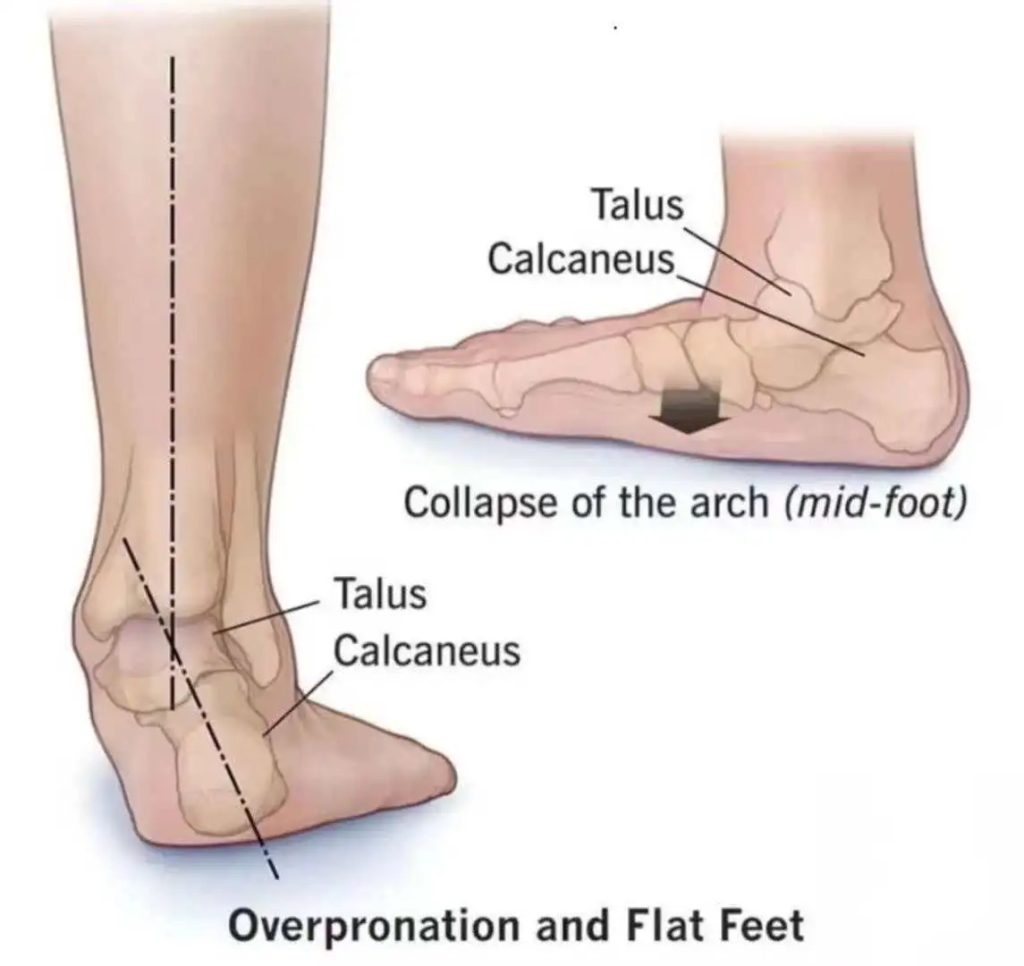
- Supportive insoles can provide comfortable support in the short term, alleviating problems such as plantar fasciitis and flat feet by distributing pressure and adjusting gait. But just as crutches can help with walking but cannot cure leg injuries, supportive insoles are merely a “symptom-treating” tool, not a “root-cause” solution.
- The human foot is a complex engineering marvel, composed of 26 bones, 33 joints, and over 100 muscles, tendons, and ligaments. These structures work together to form three natural arches, absorbing impact while providing propulsion. When we overly rely on supportive insoles, these natural structures gradually become “lazy,” leading to weakened muscles, decreased balance, and ultimately, potentially more problems.
- The real solution lies in strengthening the muscles of the feet and lower legs. Through targeted training, such as toe-grabbing exercises with a towel, arch lifts, and balance training, we can improve arch support, enhance balance, prevent sports injuries, and improve athletic performance.
Of course, this is not to completely negate the value of supportive insoles. During recovery periods or for specific activities, they can serve as a transitional tool, but they should not become a permanent crutch. The ideal approach is to use supportive insoles as an aid while simultaneously engaging in systematic muscle training; as muscle strength increases, gradually reduce reliance on the insoles.The body is the most sophisticated machine, and muscles are our innate best support system. Investing in muscle training is investing in long-term health and vitality. Remember: external support has its limits, but internal strength is fundamental.