
Do you experience arch discomfort or knee pain after exercise? If you’re looking for solutions, many people face two choices: regular functional insoles or custom medical insoles. What are the differences? Which one is better? This article will explain it clearly.
Core Difference: From “Ready-to-Wear” to “Tailor-Made”
- Regular functional insoles are like ready-made clothing in a department store, designed based on average foot arch data. They provide basic support, cushioning, or height increase, and are often made of pre-fabricated foam, gel, or cork materials, relieving general fatigue. However, they cannot precisely match an individual’s unique structure.
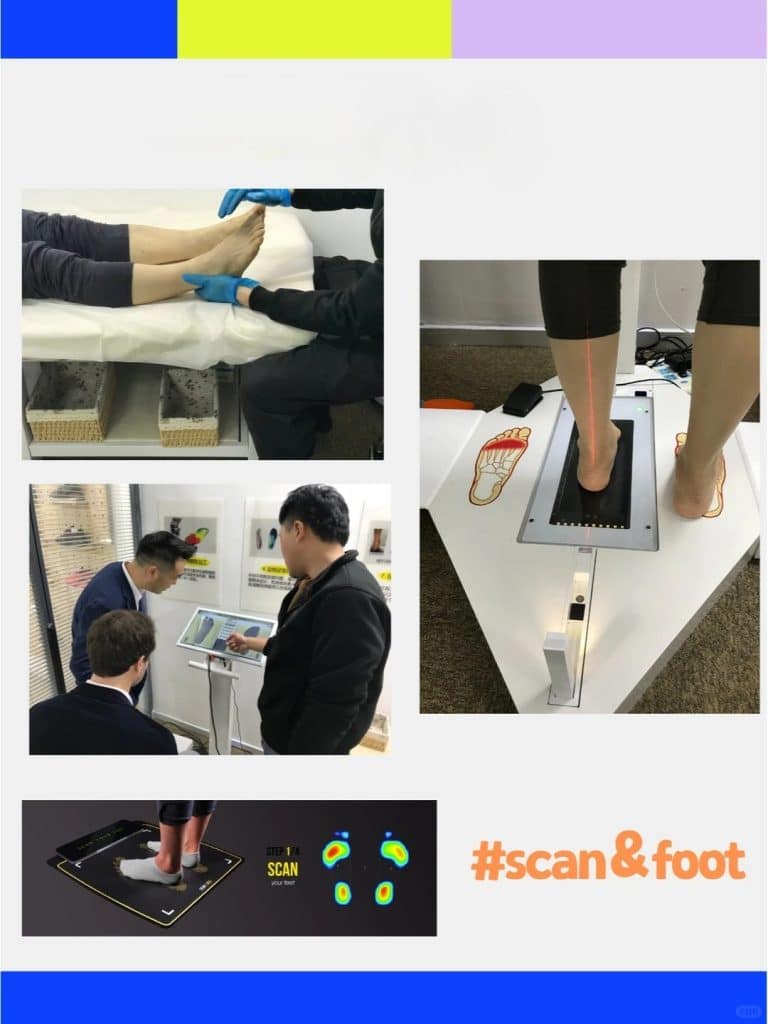
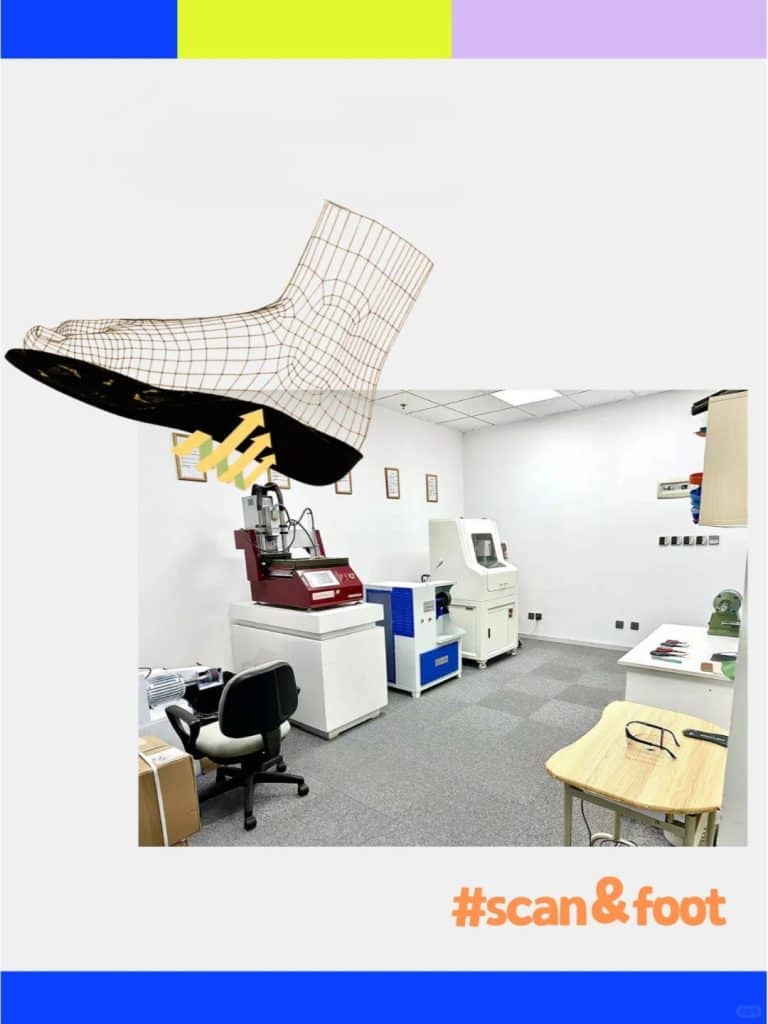
- Medical-grade custom insoles are tailor-made. Their core lies in personalized diagnosis and precise manufacturing. The entire process usually begins with a professional assessment, which may include gait analysis, plantar pressure testing, and clinical examination to identify specific problems such as excessive pronation, high arches, or functional leg length discrepancies. Then, 3D scanning or plaster casting is used to obtain the precise shape of your foot under weight-bearing conditions. During manufacturing, medical-grade materials such as carbon fiber and high-performance polymers are used, with density adjustments and biomechanical design in key areas. The goal is not only comfort but also correcting abnormal force lines, intervening in pathological conditions, and restoring balance and stability.
Applicable Users: Different Needs, Different Choices
After understanding the differences, how do you choose the right one?
Regular functional insoles: More suitable for people with basically normal foot structure who only need to relieve daily fatigue and increase comfort; or those seeking basic protection during light physical activity.
Medical-grade custom insoles are strongly recommended for the following groups:
1. Patients with chronic foot conditions: such as plantar fasciitis, Achilles tendinitis, and those at high risk of diabetic foot complications.
2. Individuals with clear biomechanical problems: those assessed with significant gait abnormalities, joint misalignment (such as genu varum or genu valgum), or pelvic tilt due to leg length discrepancies.
3. High-impact athletes and those in specific occupations: long-distance runners, ball sports athletes, etc., to improve performance and prevent injuries. 4. Post-operative rehabilitation patients: After foot, ankle, or knee surgery, precise support and protection are needed during the rehabilitation period to guide proper alignment.
Key to selection: Clarify your needs, prioritize professional guidance
In summary, regular insoles are “comfort-enhancing aids,” while medical custom insoles are “therapeutic medical devices.” The key to selection lies in clarifying your core needs: are you looking to alleviate general discomfort, or to address a specific disease or biomechanical problem?
If your pain or discomfort persists despite trying multiple regular insoles, or if you have been diagnosed with a related foot condition, then seeking an assessment from a rehabilitation physician is a better option.