
Imagine your feet bearing the equivalent of several times your body weight every day, yet you feel almost no pain – this is the problem many diabetic patients face. This “painless danger” is at the heart of diabetic foot problems.
Diabetes damages nerves and blood vessels, leading to reduced sensation and poor blood circulation in the feet. A small blister or abrasion, which might be a minor inconvenience for a healthy person, can develop into a difficult-to-heal ulcer or even a serious infection for a diabetic patient. Statistics show that diabetic patients are more than 15 times more likely to undergo lower limb amputation than non-diabetic individuals.
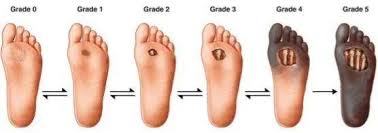
Professional pressure-relieving insoles are precisely engineered tools designed for this purpose, and they are fundamentally different from ordinary insoles:
- Precise Pressure Distribution: Professional insoles use biomechanical assessment to identify pressure points on the soles of your feet, specifically distributing pressure to prevent any single point from bearing excessive load.
- Protection for Areas with Reduced Sensation: When nerve damage prevents you from feeling pain, the insoles provide physical protection to vulnerable areas.
- Improved Foot Health Environment: Many professional insoles use special materials that reduce friction and keep feet dry, lowering the risk of skin damage and infection.
- Support and Stability: Diabetes often leads to foot deformities; professional insoles provide appropriate support, improve gait, and reduce the formation of abnormal pressure points.
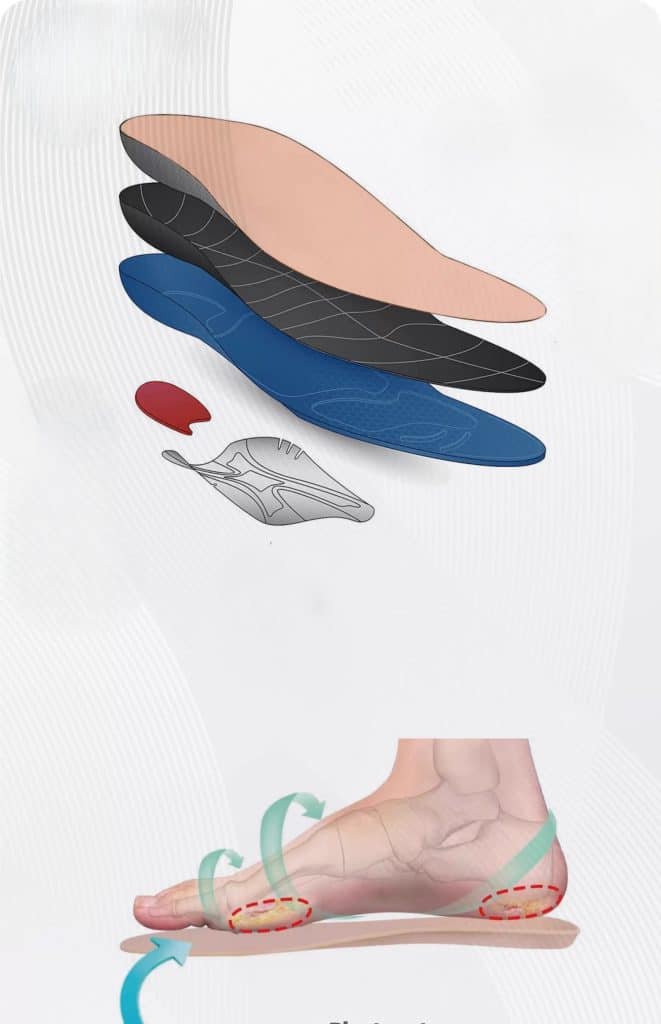
Choosing professional pressure-relieving insoles is not a waste of money, but a necessary medical intervention. They are like a customized “protective armor” for your feet, silently protecting you with every step you take.
If you or a family member has diabetes, remember: check your feet daily, wear appropriate shoes and socks, and consult your doctor about whether professional insoles are necessary. This seemingly simple pair of insoles could be the first line of defense against the worsening of diabetic foot problems, protecting your right to walk freely.