
For runners, a good pair of shoes is crucial, but the seemingly insignificant insoles inside are the “secret weapon” that directly impacts comfort and health. They cushion impact, support the arch, and keep feet dry. Choosing the right insoles based on different running distances and surfaces can significantly improve performance and prevent injuries.
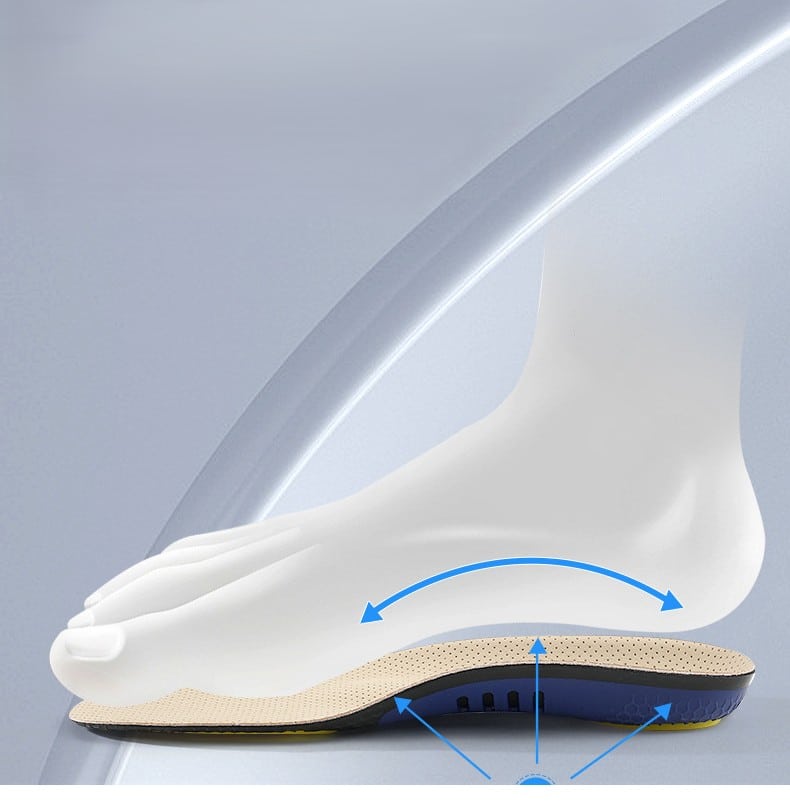
Jogging and Daily Training: Comfort and Protection First
Daily jogging focuses on building endurance and enjoyment; the core task of the insole is to provide cushioning and stability.
Core Needs: Choose materials with good cushioning properties, such as memory foam or high-density EVA, to effectively absorb the impact of each step. The insole should also have a clear arch support design to help stabilize gait and prevent overpronation.
Material Considerations: Breathability and moisture-wicking are key. Choose insoles with breathable mesh surfaces and moisture-wicking channels to keep feet dry and prevent stuffiness and odor.
Marathon and Long-Distance Racing: Efficiency and Support are Paramount
When the distance increases to a half-marathon or full marathon, the choice of insoles needs to shift from “comfort” to “efficiency.”
Core Needs: While ensuring sufficient cushioning, prioritize high rebound and lightweight design. Some racing insoles use technologies such as supercritical foaming, resulting in higher material rebound rates, returning more energy to the runner and reducing muscle fatigue.
Enhanced Stability: Feet become more fatigued over long distances, so the demand for dynamic stability is higher. Choose insoles with stronger arch and heel cup designs to provide stable support.
Road Running and Trail Running: Tailoring to the Surface
Different running surfaces demand distinctly different insole performance.
Road/Flat Surfaces: The road surface is relatively consistent, and the impact is direct and regular. Insoles should focus on vertical cushioning to protect knees and joints.
Trail/Uneven Surfaces: The surface is uneven, with obstacles such as rocks and roots. The primary task of the insole is to provide comprehensive stability and protection.
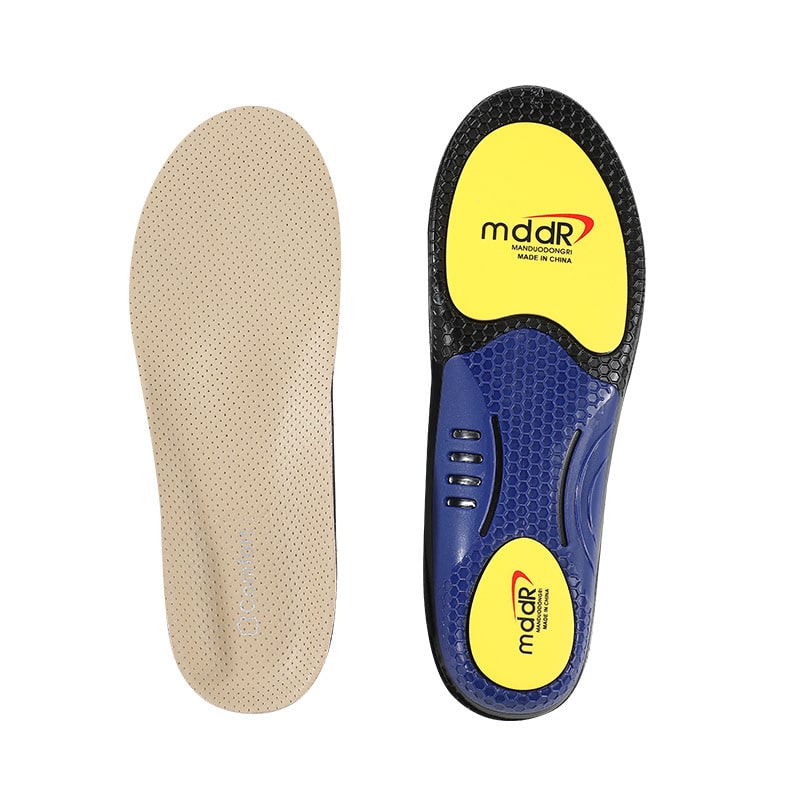
In short, choosing insoles is not about “the softer the better” or “the more expensive the better.” Jogging prioritizes comfort, while competitive running emphasizes responsiveness. Road running requires good cushioning, and trail running demands strong stability. Understanding your running style, distance, and typical running surface will help you find the perfect insoles that complement your feet and running shoes. These insoles will become your reliable partner in pushing your limits and running further.