
The thickness of insoles directly affects the comfort and experience of wearing shoes. Many people overlook insole thickness, but especially for prolonged wear, the choice of thickness is directly related to our foot health.
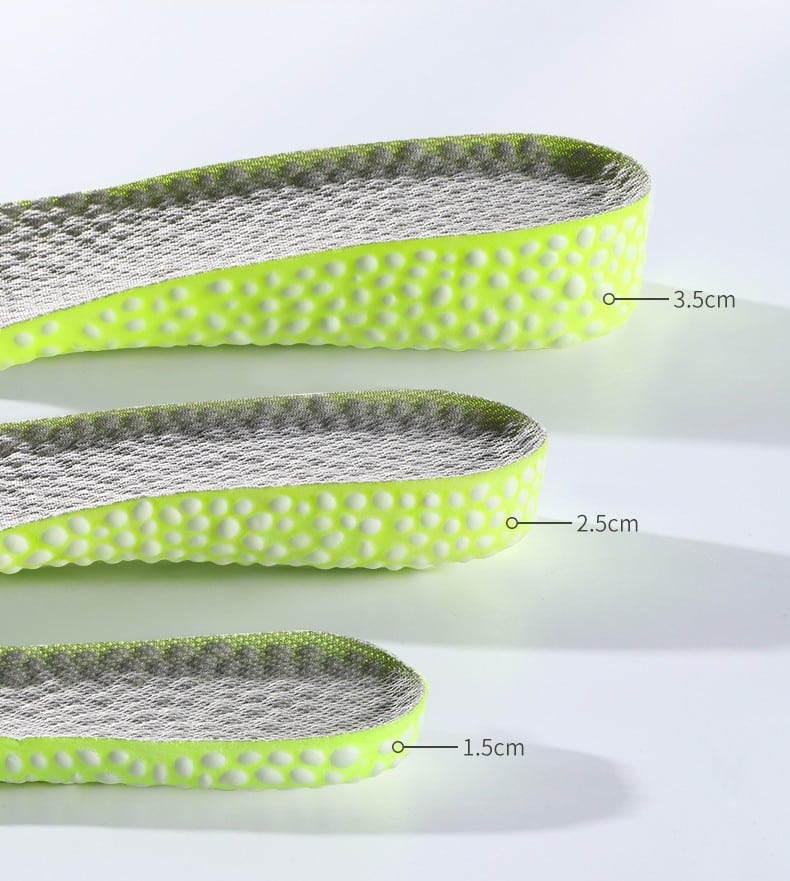
Firstly, the impact of insole thickness on comfort is obvious. Insoles of appropriate thickness can effectively reduce pressure on the soles of the feet and provide better cushioning. Thicker insoles can distribute the weight of the feet, preventing fatigue or pain caused by prolonged pressure. If the insole is too thin, you may feel the hard sole directly against your foot, easily causing discomfort and even foot abrasion.
Secondly, insole thickness is closely related to support. Thicker insoles generally provide better arch support, which is crucial for people with foot problems, especially those with flat feet or high arches.
However, thicker insoles are not always better. Excessively thick insoles may make shoes too tight, affecting comfort and potentially causing discomfort. For some lightweight, casual shoes, a medium-thickness insole is sufficient.
In summary, insole thickness is an important factor affecting wearing comfort. Choosing the appropriate insole thickness based on individual needs and shoe type is essential to truly improve comfort while walking and standing.