
Many people have the same question when buying insoles: Are insoles covered by FSA?
An FSA (Flexible Spending Account) is a common healthcare benefit in the U.S. It allows you to use pre-tax money to pay for eligible medical expenses, such as medications, treatments, and certain medical devices.

So, are insoles eligible? The answer is: it depends.
In general, regular insoles for everyday use are not covered. These include insoles designed for comfort or to reduce fatigue. They are considered personal items, not medical necessities.
However, orthotic insoles are different. If they are used for medical purposes—such as treating flat feet, plantar fasciitis, arch problems, or other foot conditions—they may be eligible for FSA reimbursement. This usually applies to custom-made insoles or those recommended by a doctor.
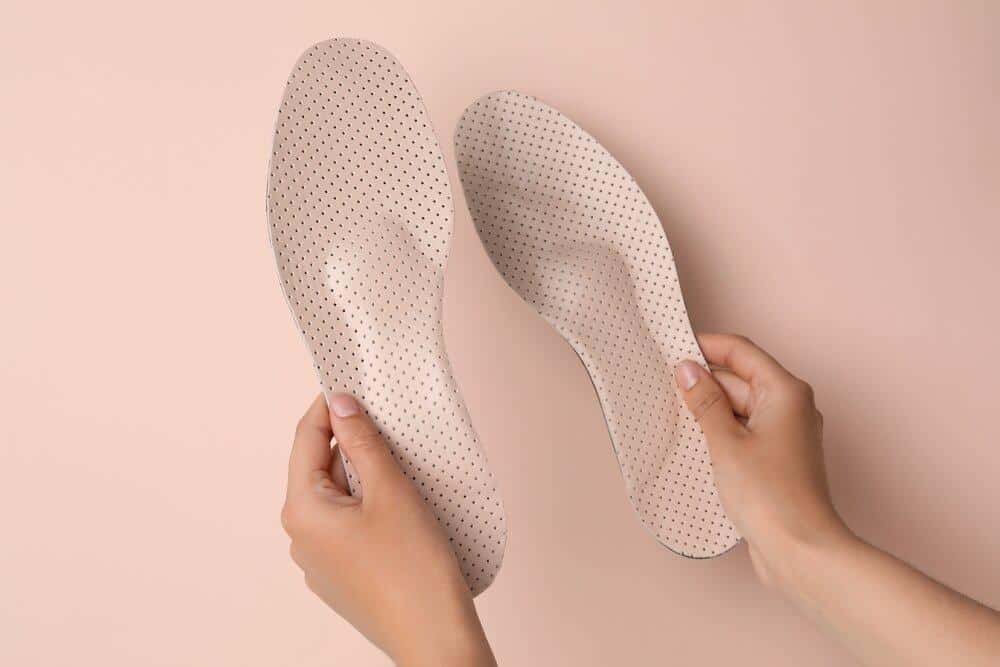
In most cases, you will need a doctor’s prescription or a Letter of Medical Necessity (LMN) to qualify.
It’s also important to note that FSA plans can vary. Some administrators have stricter rules. Before making a purchase, it’s best to check your specific plan details or consult your FSA provider.
In summary:
Regular insoles are usually not eligible. Medical-grade orthotic insoles, with proper documentation, are often covered.
If you have foot issues, choosing the right functional insole can not only improve your comfort and health, but may also qualify for reimbursement.