
Silicone insoles are widely used in everyday wear, sports, and some functional footwear due to their material properties. Understanding the advantages and disadvantages of silicone insoles helps consumers make more informed choices based on their needs.
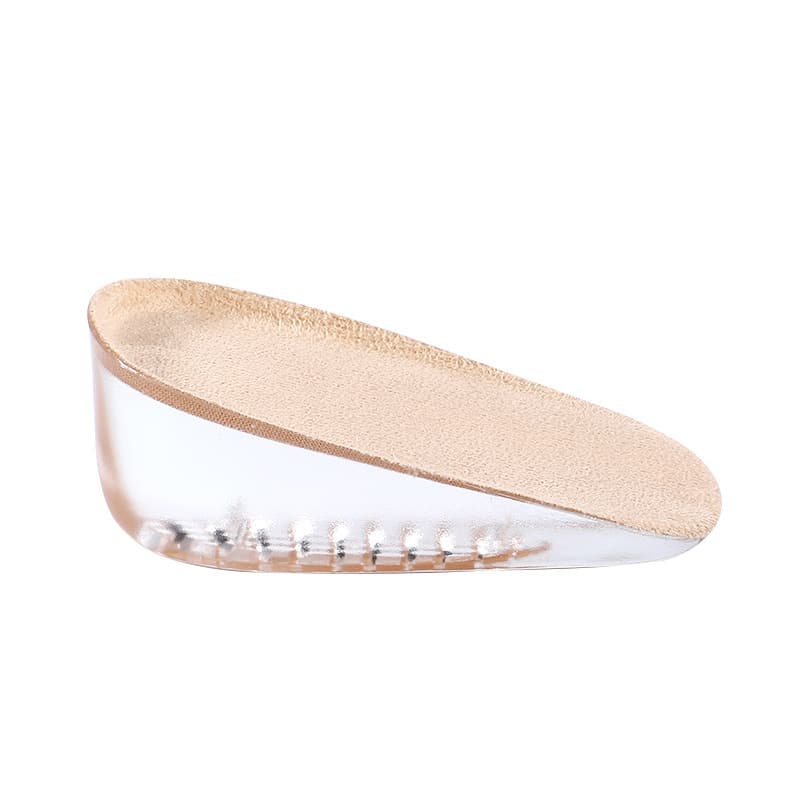
- The main advantages of silicone insoles lie in their comfort and cushioning performance. Silicone material is soft and elastic, effectively absorbing impact on the feet and reducing pressure on the heels, forefoot, and knee joints, making them especially suitable for people who stand or walk for long periods.
- In addition, silicone has good resilience and is not prone to collapsing, resulting in a relatively long service life. In terms of anti-slip properties, silicone insoles have a high surface friction, reducing movement inside the shoe and improving walking stability.
- Some silicone insoles also have a certain degree of water resistance and can be washed repeatedly, making daily cleaning relatively simple.
However, the disadvantages of silicone insoles should not be overlooked.
- Firstly, silicone insoles have poor breathability. Prolonged wear can easily lead to stuffy and sweaty feet, especially in hot weather.
- Secondly, silicone insoles are heavy and thick, which may affect wearing comfort.
- Furthermore, some low-quality silicone insoles may become sticky or develop odors after exposure to high temperatures or prolonged use, affecting the user experience.
For people who require strong support, ordinary silicone insoles also have limited functionality in terms of arch support.Overall, silicone insoles are suitable for people who prioritize a soft feel and good cushioning effect, and are particularly practical for commuting and everyday casual wear. When purchasing,