
Insole cushioning materials come in a variety of types, and choosing the right insole cushioning material is crucial for foot health, athletic performance, and everyday comfort. The cushioning materials on the market each have their own characteristics, and understanding the differences between them is essential for making the right choice.
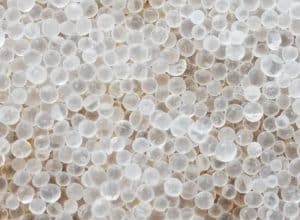
Comparison of Mainstream Material Characteristics:
1. EVA
Lightweight, low cost, and moderately elastic, widely used in entry-level products. However, it has poor durability, easily compresses and loses elasticity after prolonged use, and has generally poor breathability.
2. Memory Foam
Shapes to the foot through temperature sensing, providing excellent fit and pressure distribution, effectively relieving discomfort in the heel and forefoot. The disadvantage is poor resilience, making it less suitable for high-intensity sports, and it may feel warm in the summer.
3. Silicone
Can instantly absorb impact on the feet, and the material is soft and durable. However, silicone insoles are usually heavier, have poor breathability, and the overly soft material may weaken arch support.
4. OrthoLite® and other high-performance foams
These open-cell foams are the preferred choice for many professional athletic shoes, combining cushioning, resilience, and excellent breathability. Their durability and odor control are also superior to traditional EVA, but the price is usually higher.
5. New O.BO material
A material composed of countless elastic particles, characterized by high resilience and energy return, providing assistance for activities such as running. It has a high cushioning limit, but may feel slightly hard initially and requires a short adaptation period.
How to Choose the Right Insole?
Daily commuting and prolonged standing: Prioritize memory foam or silicone.
Running and ball sports: Requires both cushioning and resilience. OrthoLite or O.BO high-performance foams are better choices.
Special needs: If you have a history of foot injuries (such as plantar fasciitis) or require extra support, it is recommended to consult a professional.
When choosing, you should also pay attention to the size, fit, breathability, and antibacterial properties of the insole to ensure comfort and foot health. The best material is not the most expensive, but the one that matches your specific activity needs, is comfortable to wear, and provides sufficient support.