
Observing the insoles we use every day, we’ll find that different insoles are made of different materials. For example, gel arch support insoles are often made of silicone. Generally speaking, insoles are mainly made of five materials: memory foam, EVA silicone, cork, and leather. We will use a table to clearly show the core characteristics, advantages and disadvantages, and applicable scenarios of these materials to help you make your choice:
| Material | Core Features | advantages | disadvantages | Applicable Scenarios |
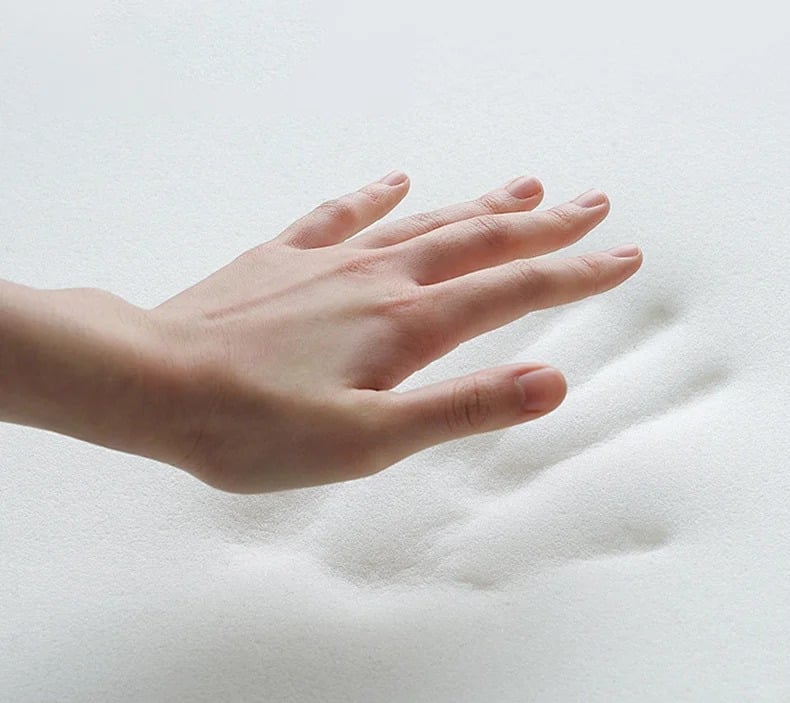
| Memory foam | Slow rebound, pressure shaping | Ultimate comfort, pressure distribution, personalized fit | Weak support, poor breathability, prone to permanent deformation | Relieves heel pain during daily commutes and prolonged standing. |
| EVA | Lightweight, elastic | Lightweight, highly elastic, cost-effective, and highly Customizable | Easily compressible, poor breathability, significant quality variations | Suitable for all types of sports, including running, and is a good choice for beginners or those looking to upgrade. |
| Silicone | Soft, high elasticity | Extremely shock-absorbing, very soft, fits snugly and prevents slipping | Too soft and lacking support, heavy and stuffy, prone to shifting | Provides localized cushioning, suitable for short-term use, and can be used for diabetic foot care. |
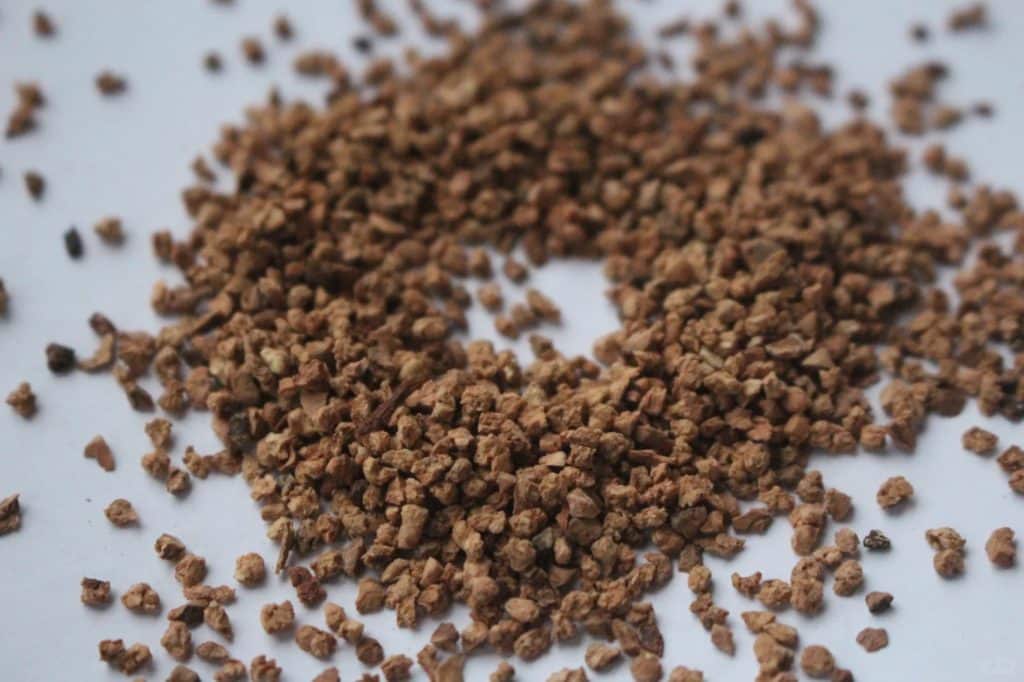
| Cork | Natural, micro-shaping | Dynamic fit, antibacterial and odor-resistant, environmentally friendly, and provides adequate support | Requires break-in period, susceptible to moisture, higher price | For everyday wear, it offers a natural fit and breathability. |
| Leather | Slow rebound, pressure shaping | Ultimate comfort, pressure distribution, personalized fit | Initially stiff, no cushioning, high price, susceptible to water damage | For formal wear, it emphasizes breathability and a classic look. |
Of course, there’s no such thing as a better material, only a more suitable one. First, you need to clearly define your needs before choosing a suitable material. If you want an invisible insole, a silicone gel arch support insole is certainly a better choice. If possible, wear the insole and walk around for at least 10 minutes. Observe whether it’s stable, whether there’s any feeling of pressure, and whether the arch area is effectively supported.