
During a child’s growth, many parents worry about their child’s foot development, such as flat feet, inward or outward toeing, or abnormal gait. However, children’s feet develop gradually with age, so there’s no need to worry prematurely.
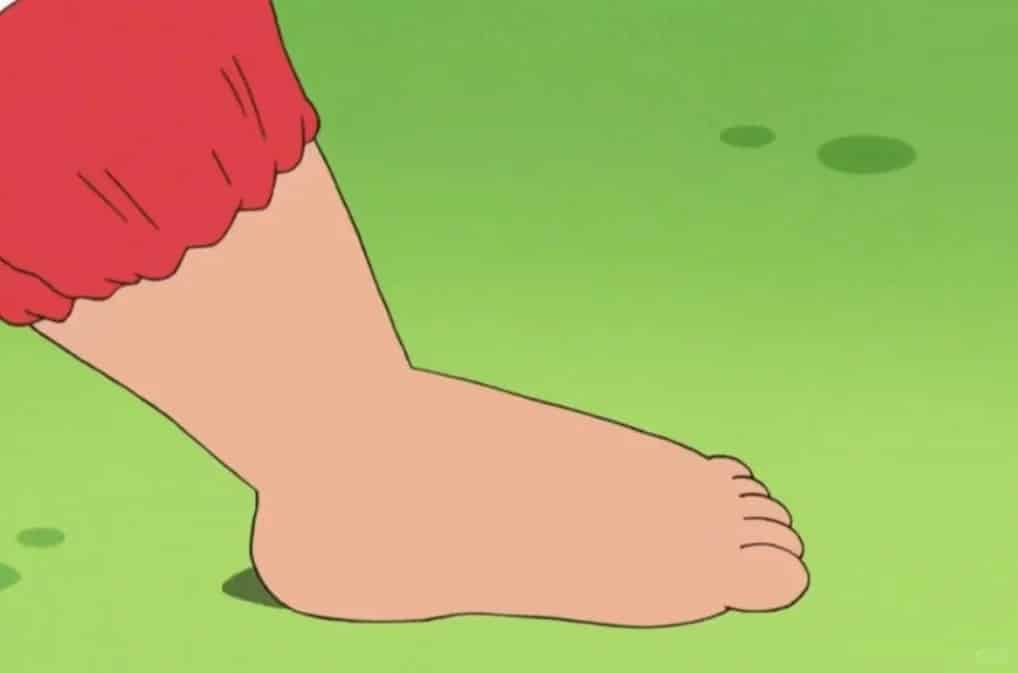
0-3 years old: Apparent flat feet are normal
At this stage, children’s foot bones are soft and their fat pads are thick, making their feet appear flat, which is normal. Encourage children to crawl, walk, and jump in a safe environment; barefoot activity is more beneficial for development than wearing shoes. Functional insoles are generally not recommended at this stage.
3-6 years old: A critical period for arch formation
During this stage, children begin to run and jump, and the arch of their feet gradually becomes more pronounced. It’s still common for children to have “flat feet,” and most will improve with age. If a child gets tired easily while walking, experiences foot pain, has severe inward or outward toeing, or wears down their shoe soles unevenly, consider having them evaluated at a hospital or rehabilitation center before deciding whether insoles are necessary. Normal children do not need to wear insoles.
6 years and older: Stable arch structure
The foot structure of children over 6 years old gradually stabilizes. Children with persistent flat feet or gait problems may benefit from functional insoles for support and correction. However, the principle remains: evaluation first, then insoles, avoiding blind use.
Three key points for choosing insoles:
- Professional evaluation –It’s best to have a rehabilitation therapist or doctor diagnose which type of insole is needed.
- Moderate support –Harder isn’t always better; the insole should support the arch while allowing for natural foot movement.
- Suitable shoes –Insoles must be used with appropriate shoes; otherwise, the effect will be diminished.
Remember, insoles cannot replace exercise. The formation of a child’s arch and foot strength depends on running, jumping, tiptoeing, and foot muscle training such as gripping a towel with their toes.
Younger children should exercise more, older children should be monitored for symptoms, insoles are not a necessity, but they can be helpful at the right time. Parents who understand the normal development of their child’s feet can rest assured as their child grows.