
Insoles are crucial for shoe comfort, yet they are often overlooked. Proper cleaning and maintenance not only keep them hygienic but also extend their lifespan. Different insole materials require different care methods.
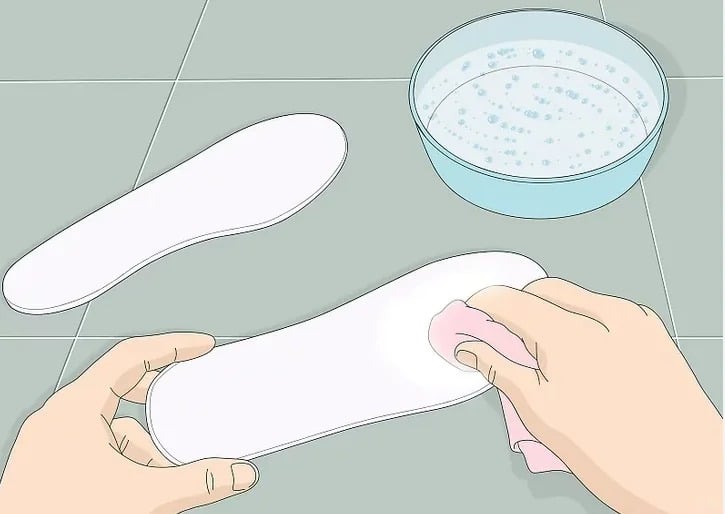
Clean According to Material:
- Cotton/Regular Fabric Insoles: Can be removed and washed directly with water. Use a soft brush dipped in a neutral detergent or a small amount of laundry detergent to gently brush both sides and edges, then rinse with clean water. Avoid prolonged soaking or using strong cleaning agents.
- Genuine Leather Insoles: Do not wash with water. Wipe surface stains with a slightly damp soft cloth and air dry naturally. Regularly wipe with a leather conditioner to maintain flexibility and prevent cracking.
- EVA/Memory Foam/Gel Insoles: The core of these functional insoles lies in their material structure. It is recommended to wipe the surface with a damp cloth dipped in neutral soap solution, and quickly wipe clean with a damp cloth, avoiding soaking, sun exposure, or drying with heat.
- Wool/Fleece Insoles: Not suitable for water washing. Use a special suede brush or dry cloth to gently brush away dust. For stubborn stains, it is recommended to use a special suede cleaner for localized treatment.
- Activated Carbon/Bamboo Charcoal Deodorizing Insoles: The outer layer is usually removable and washable; clean the outer cover according to the fabric washing method. Do not wash the inner carbon pack or carbon layer with water; regularly air dry it in a well-ventilated place to maintain its adsorption capacity.
Storage in a Dry and Ventilated Place
Drying is key to preventing insoles from molding and deforming. After cleaning or drying, all insoles should be air-dried naturally in a well-ventilated and cool place, away from heaters or direct sunlight.
When storing, ensure the insoles are completely dry. It is recommended to store them separately in a shoe box or in a breathable bag to avoid compression and deformation.
By following the principles of “regular cleaning, gentle treatment, thorough air drying, and proper storage,” and choosing the appropriate method based on the material, your insoles will last longer and provide you with lasting comfort.